
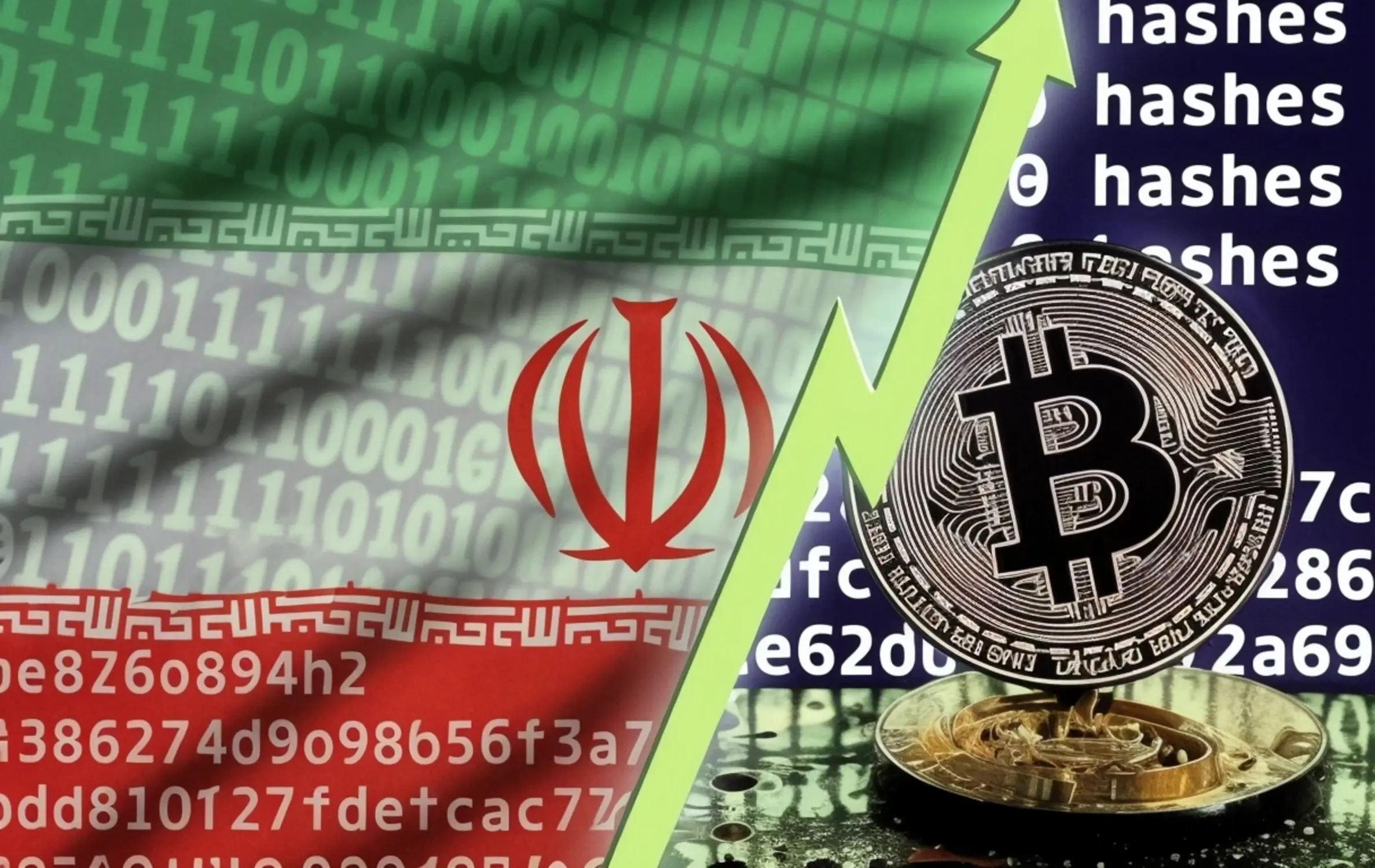
As Iran’s Crypto Economy emerges as a beacon of opportunity amid crippling sanctions, we are witnessing a pivotal moment that could redefine global crypto dynamics. The interplay between cryptocurrency growth and economic crisis makes this topic urgent and relevant for investors, policymakers, and citizens alike.
Understanding Iran’s Crypto Economy and Its Importance
Iran stands at a unique crossroads of economic turmoil and technological innovation. The country’s cryptocurrency landscape is shaped by its response to extensive international sanctions imposed primarily by Western nations. These sanctions have severely limited Iran’s access to traditional banking systems, pushing both consumers and the government to explore alternative financial solutions via cryptocurrencies. As recent reports indicate, Iran’s crypto economy is projected to hit $7.78 billion by 2025, demonstrating the rapid pivot towards digital assets.
The Iranian government recognizes the potential benefits of cryptocurrency adoption, implementing regulations aimed at fostering a legal framework for transactions. This response suggests that Iran sees cryptocurrencies not just as speculative assets, but essential tools for economic resilience and a means to circumvent sanctions.
Current Economic Landscape in Iran
The ongoing economic crisis in Iran is a critical factor driving the adoption of cryptocurrency. With inflation rates soaring and the national currency, the rial, experiencing unprecedented devaluation, many Iranians are turning to cryptocurrencies as a potential store of value. Sanctions have not only restricted trade but also diminished confidence in the local economy, prompting consumers to seek alternatives to safeguard their wealth.
For crypto investors, Iran’s challenges could represent opportunities. The trend indicates a growth in cryptocurrency usage, creating an environment conducive to investment. Understanding consumer behavior in this context is essential, as individuals seek assets that can provide more stability compared to fiat currency that faces significant depreciation due to sanctions.
Cryptocurrency Growth and Adoption in Iran
The surge in Iran’s cryptocurrency adoption is evident from the increasing number of users engaging in digital asset transactions. Statistics show that millions of Iranians are now involved in the crypto space, with Bitcoin emerging as a frontrunner. Its decentralized nature offers a level of security and autonomy that resonates well in an environment dominated by financial restrictions. According to industry analyses, the interest in cryptocurrencies as a hedge against inflation has skyrocketed, particularly in light of the rial’s dramatic decline.
Factors contributing to this trend include rising inflation rates and a general mistrust of governmental financial policies. These elements combine to create a fertile ground for cryptocurrency growth. Ethereum and stablecoins are also gaining traction as individuals look to diversify their holdings in a volatile market.
The Role of Bitcoin in Iran’s Financial Future
Bitcoin’s prominence in Iran’s financial landscape cannot be overstated. It offers a functional means for many to engage in international trade despite the sanctions. This is particularly significant for industries that rely on global supply chains, as Bitcoin transactions can bypass traditional banking interruptions. The Iranian Bitcoin mining industry, bolstered by state-sanctioned operations, not only supports the domestic economy but also underlines Iran’s strategic intent to leverage crypto for economic independence.
The implications of Bitcoin’s integration into Iran’s financial system extend beyond mere currency exchange; they hint at a broader move towards financial sovereignty amid geopolitical strife. As Bitcoin mining becomes increasingly popular, it serves as both a revenue-generating mechanism and a means to foster technological advancement within the country.
Challenges Facing Iran’s Crypto Objectives
Despite its promise, Iran’s crypto journey is fraught with challenges. Regulatory hurdles remain a significant barrier to fully harnessing the potential of digital assets. The government must navigate the pressures of international relations which can impact the functionality of crypto exchanges within Iran. Furthermore, the volatile nature of the cryptocurrency market poses risks that could undermine financial stability, deterring new investors.
The Iranian government will need to find a balance between encouraging innovation in the crypto space while ensuring that it can manage the associated risks. This delicate dance will determine the future trajectory of Iran’s cryptocurrency landscape.
Solutions for Engaging with Iran’s Crypto Economy
To engage with Iran’s crypto economy successfully, both local and international investors can consider several actionable steps:
– Educate: Understanding the local regulations and market dynamics will provide insight into the opportunities and risks.
– Collaborate: Partnering with local stakeholders can foster trust and sharing of best practices.
– Lobby for change: Advocating for regulatory frameworks that support crypto growth can help stabilize the market.
– Participate: Individuals interested in crypto initiatives can join community exchanges and forums to stay informed and connected.
The growth of Iran’s crypto economy symbolizes more than just a financial revolution—it indicates a fundamental shift in how nations under pressure adapt to changing global dynamics. As the world watches, Iran’s efforts may inspire other nations in similar situations to explore innovative economic solutions in the digital age.