
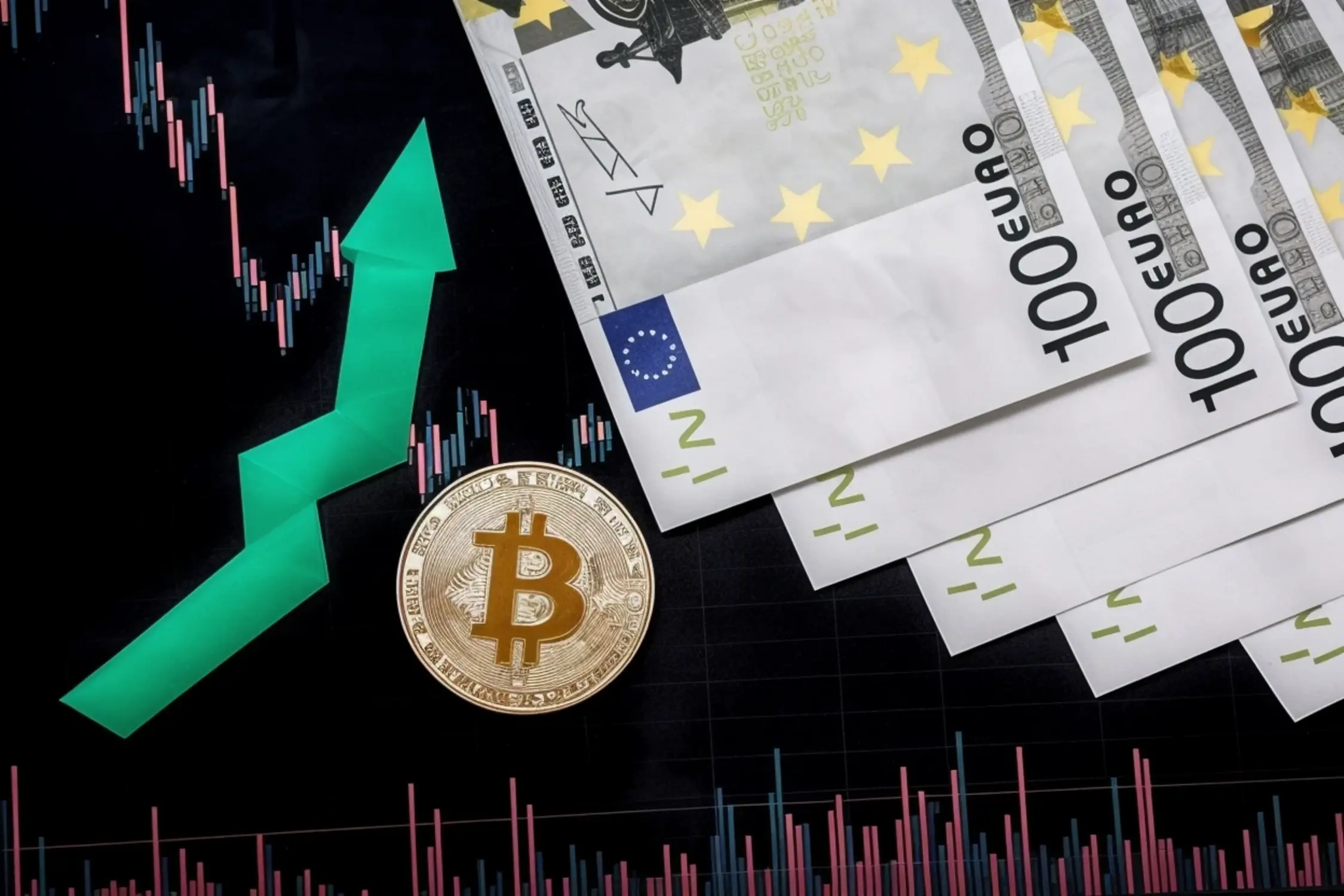
We must recognize the implications of EU economy rate cuts on cryptocurrency investments, especially as challenges and opportunities unfold in this dynamic landscape. Understanding this connection is vital for investors seeking to navigate the evolving financial terrain effectively.
The Importance of EU Economy Rate Cuts
The European Central Bank’s (ECB) decisions on interest rates significantly affect the investment climate across all sectors, including cryptocurrencies. When the ECB lowers rates, borrowing costs decrease, prompting both businesses and consumers to spend more. This surge in economic activity can enhance investor confidence and drive inflows into various asset classes. According to recent reports, lower rates typically result in increased access to capital, which may provide the necessary liquidity for cryptocurrency markets.
Conversely, the relationship between interest rates and economic growth is not linear. While lower rates can stimulate the economy, prolonged low rates may also signal sluggish growth expectations. As the economic landscape shifts, it becomes crucial for investors to assess how these rate cuts directly impact cryptocurrency markets. This involves analyzing the response of digital assets to fluctuations in investor sentiment, adoption rates, and regulatory developments.
Current Trends in Cryptocurrency Investments
Recent trends show that despite market volatility, investments in cryptocurrency remain robust. Analysts have noted a marked increase in institutional interest. Factors driving this enthusiasm include the perceived potential of digital currencies as a hedge against inflation and a means of diversification in an investor’s portfolio. As interest rates decline, the opportunity cost of holding traditional fiat currency rises, making cryptocurrencies more appealing.
The recent environment has also prompted discussions around regulatory changes. Countries within the EU are adapting their frameworks to regulate crypto investments more stringently. These shifts can further influence investment flows, as compliance becomes a driving factor for institutional adoption. In this context, successful navigation of these changes will be necessary for maximizing the potential of cryptocurrency investments.
Economic Outlook for 2026
Looking ahead, the economic outlook for the EU in 2026 appears both promising and cautious. Forecasts suggest that headline euro area inflation is expected to sit close to 2% through 2026 and 2027, reflecting stabilization efforts by the ECB. However, growth rates remain modest, with projections pointing to growth of around 1.1-1.2% in 2026 and potentially rising to 1.4% in 2027. These figures indicate that a significant portion of economic recovery will hinge not just on consumption, but heavily on investment, both traditional and digital.
Furthermore, job creation and wage growth will play critical roles in shaping financial decisions. As the job market strengthens, increased disposable income can lead to higher investments in various sectors, including cryptocurrency. Investors should maintain a close eye on these macroeconomic indicators as they formulate their investment strategies.
New Challenges in Crypto Regulations
As the cryptocurrency landscape evolves, new challenges arise, particularly in the realm of regulations. In Europe, countries like Lithuania have implemented strict regulations, mandating that service providers obtain MiCA licenses by December 31, 2025. Compliance with these new rules poses significant challenges for many small firms, which may face fines starting from January 1, 2026, for non-compliance. This situation has led to concerns that some operations may be forced underground, as highlighted by the Bank of Lithuania.
The implications of these regulations extend beyond individual businesses. They can reshape the entire investment environment, potentially stifling innovation while pushing firms to adapt quickly. Understanding these regulatory dynamics is essential for investors seeking to evaluate potential risks and navigate these challenges effectively.
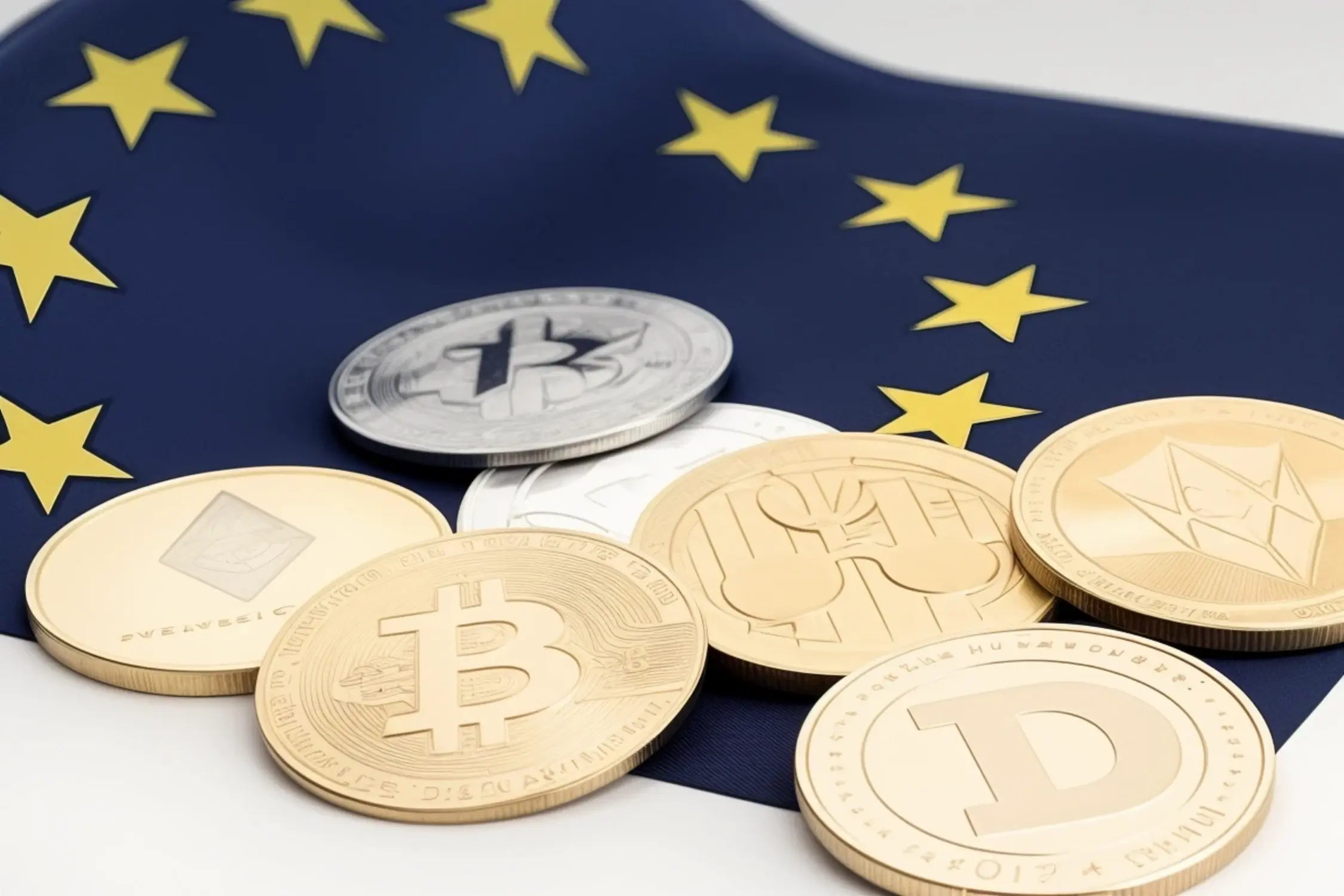
Investment Opportunities Amidst Economic Shifts
While challenges abound, the shifting economic landscape also presents several investment opportunities. As the EU economy progresses through rate cuts and evolving regulations, certain sectors may emerge as growth leaders. Digital infrastructure, fintech solutions, and green technologies stand out as potential beneficiaries of increased investment amidst a declining interest rate environment.
Investors can capitalize on these favorable conditions by targeting startups or established firms positioned within these sectors. A strategic approach involves continuous market analysis to identify trends and shifts that may provide competitive advantages. Investors must remain flexible and ready to pivot as they ascertain which sectors are primed for growth amidst ongoing economic transitions.
The Role of VC Capital in Crypto Ecosystem
Venture capital (VC) plays a fundamental role in the cryptocurrency ecosystem, significantly influencing the development and longevity of startups. VC investments are increasingly adapting to the changing market conditions brought about by rate cuts and evolving regulations. As traditional funding sources tighten, venture capitalists may find new opportunities to invest in innovative technology and cryptocurrency startups poised for success.
By providing essential funding, VC capital promotes innovation within the crypto space. Startups that leverage decentralized technologies or integrate blockchain solutions stand to benefit from increased investment connections. Future trends suggest that the interaction between traditional finance and decentralized finance (DeFi) will grow, creating more funding routes and options for both entrepreneurs and investors.
Navigating the Future: Strategies for Investors
To successfully navigate the intersection of EU economic rate cuts and cryptocurrency investments, investors must adopt proactive strategies. Practical steps include:
– Diversification: Spread investments across various asset classes, including cryptocurrencies, to mitigate risk.
– Market Analysis: Stay informed on economic indicators that affect both traditional markets and cryptocurrency valuations.
– Regulatory Awareness: Understand and anticipate changes in regulatory environments that could impact investment choices.
– Long-term Perspective: Emphasize long-term growth by focusing on fundamental fundamentals rather than short-term market volatility.
By leveraging economic changes for better returns and building resilient portfolios, investors can position themselves favorably in a fluctuating environment. As the EU economy continues to evolve, understanding these dynamics will be crucial for maximizing investment potential across all sectors, particularly in the burgeoning cryptocurrency space.