
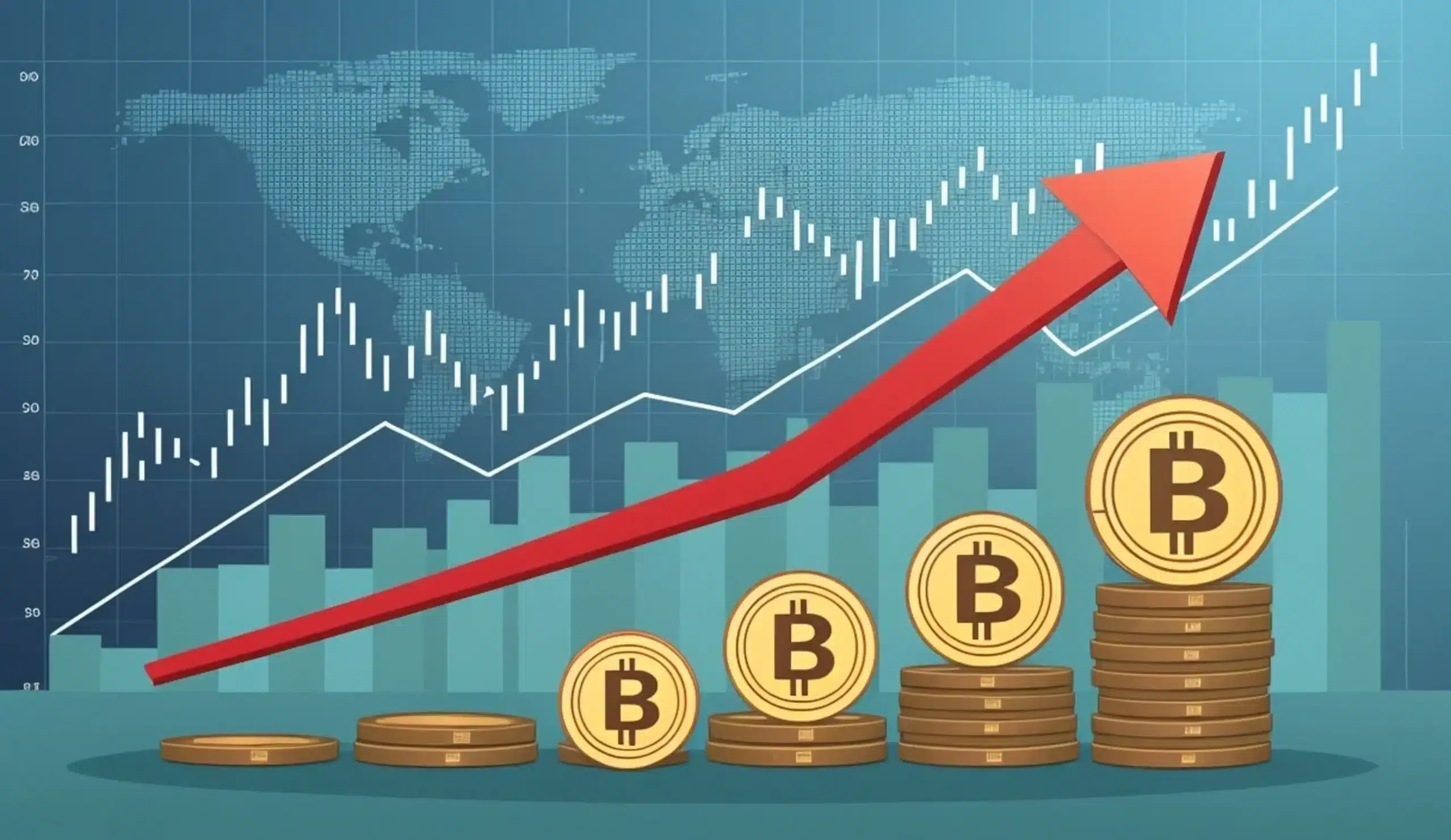
Understanding U.S. Economic Signals helps investors navigate Bitcoin volatility effectively in today’s market landscape. Recent trends such as FOMC decisions and PCE inflation data significantly impact the cryptocurrency’s price, making it crucial to stay informed about these economic indicators.
Importance of U.S. Economic Signals Bitcoin
Economic signals play a pivotal role in influencing Bitcoin prices. The relationship between these indicators and the cryptocurrency market is tightly woven, especially as investors analyze macroeconomic trends to make informed trading decisions. Understanding how U.S. economic signals affect Bitcoin prices allows investors to better navigate price fluctuations.
Currently, investor sentiment is cautious as they closely monitor these economic indicators, seeking cues from the Federal Open Market Committee (FOMC) and inflation rates. For instance, when inflation data, such as the Personal Consumption Expenditures (PCE) report, shows unexpected spikes, it can trigger a reaction in Bitcoin’s market valuation, thereby increasing its volatility. Recent reports indicate that as investors acknowledge the correlation between economic signals and Bitcoin’s price movements, they are more strategic in their trading activities, often making moves based on upcoming economic releases or central bank announcements
Current Landscape of Bitcoin Volatility
Bitcoin has experienced substantial price action in recent months, characterized by sharp swings that reflect market uncertainties. The analysis of Bitcoin volatility reveals several key factors at play, predominantly influenced by external economic signals. One prominent factor is the fluctuating interest rates set by the FOMC. The anticipation surrounding these announcements can lead to heightened market activity, which is often observed in the trading volumes of Bitcoin.
Historically, Bitcoin’s volatility has ranged dramatically, often spiking during periods of economic distress or uncertainty. For example, the cryptocurrency experienced significant volatility during the early stages of the COVID-19 pandemic, illustrating how external market conditions often correlate with Bitcoin price fluctuations. Currently, comments about inflation forecasts and Federal Reserve policies amplify volatility, making it crucial for investors to remain informed about macroeconomic trends and historical volatility patterns as they impact Bitcoin trading behavior
FOMC Influence on Bitcoin Market
The Federal Open Market Committee (FOMC) exerts considerable influence over the Bitcoin market, primarily through its interest rate policy. The relationship between FOMC announcements and Bitcoin trading sentiment is pronounced; rate changes tend to shift the risk appetite among investors. For instance, when the FOMC signals a potential interest rate hike, Bitcoin prices can respond sharply as investors reevaluate their risk exposure
Historical trends suggest that Bitcoin can rise or fall significantly based on FOMC decisions. For example, during pivotal announcements in the past, market participants reacted with notable volatility, reflecting how macroeconomic policies shape investor behavior in the cryptocurrency space. Thus, understanding the timing and context of FOMC announcements can provide investors with insights that are essential for navigating Bitcoin price dynamics effectively.
PCE Inflation Impact on Cryptocurrency
Personal Consumption Expenditures (PCE) inflation data holds substantial weight in the cryptocurrency realm, particularly affecting investor decisions related to Bitcoin. As inflation rates rise, many view Bitcoin as a hedge against devaluation in fiat currencies. The correlation between inflation rates and Bitcoin’s price behavior has been evident, especially during times of economic turbulence.
Recent trends in inflation data have shown upward pressure, leading to speculation among investors regarding the future value of Bitcoin as a protective asset. According to industry analysts, when PCE inflation rates climb, many investors flock to Bitcoin, viewing it as a safeguard against eroding purchasing power
Navigating Presidents Day Trading Strategies
Presidents Day often presents unique trading opportunities for Bitcoin investors, with historical performance shedding light on investor behavior during holiday trading. This federal holiday can lead to thinner trading volumes, and investors often strategize their trades around it, considering potential price movements and market trends. Historical data suggests that Bitcoin displays varied performance during this period, making it crucial for investors to analyze past patterns to better inform their trading strategies.
To navigate these trading conditions effectively, investors are encouraged to:
– Monitor historical price movements on Presidents Day.
– Maintain awareness of any significant economic data releases coinciding with the holiday.
– Develop a clear understanding of market sentiment leading up to the day.
– Adjust trading positions accordingly, factoring in lower liquidity.
Key Takeaways for Investors
Understanding U.S. economic signals is indispensable for investors aiming to navigate Bitcoin volatility successfully. Key insights include:
– Stay updated on economic indicators, particularly FOMC announcements and PCE inflation data, which can significantly impact Bitcoin’s price.
– Analyze historical price trends and volatility patterns, as they provide valuable context for future actions.
– Develop a strategic approach to trading, especially during sensitive periods like Presidents Day, acknowledging the potential for price swings.
In conclusion, being attuned to economic signals allows investors to approach the Bitcoin market with a critical, informed mindset, ultimately enhancing their trading strategies.